
Start Point Lighthouse
HeritageStart Point Lighthouse: A Beacon Through Centuries of Storms
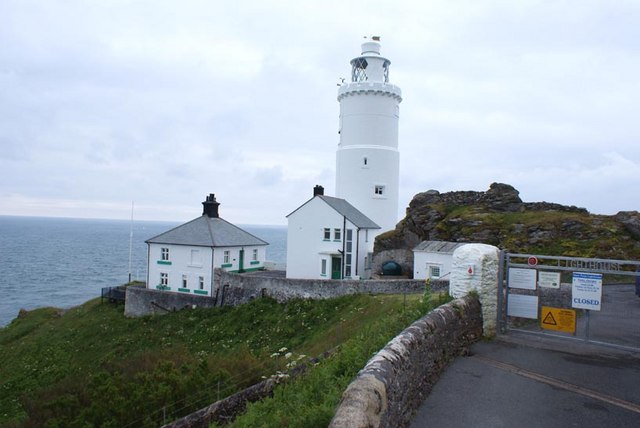
To stand upon the precipitous, weather-beaten edge of Start Point in Devon is to understand the raw, unbridled fury of the English Channel. Here, the land plummets dramatically into a boiling, frothing sea, where jagged rocks lurk like submerged teeth beneath the dark waves. The air is thick with the tang of salt, the sharp cry of gulls, and the constant, rhythmic roar of the tide crashing against the ancient stone of the South Hams coast. At the very terminus of this rugged peninsula in Stokenham stands Start Point Lighthouse, a striking sentinel of gleaming white masonry against what is often a bruised and leaden sky. For nearly two centuries, its sweeping beam has cut through the darkest of nights and the thickest of sea-fogs, offering a silent, desperate promise of safety to mariners navigating one of the most treacherous stretches of the British coastline. The lighthouse is not merely a functional tower; it is a profound monument to human endurance, an early triumph of Victorian engineering, and a relentless combatant in the age-old battle against the unforgiving ocean.

The Founding of a Fortress
The perilous nature of the Start Point promontory was long known, and deeply feared, by seafarers. As maritime trade burgeoned exponentially in the early 19th century, the jagged reefs extending out from the point claimed an alarming and unacceptable number of vessels. The terrifying frequency of shipwrecks, bringing with them a catastrophic loss of human life and valuable cargo, forced the hands of the authorities. Following years of tragedy and the growing, desperate clamour from merchants and sailors alike, formal applications were made to Trinity House for a beacon of hope to be raised on this merciless Devonshire cape.
In 1834, the monumental task of constructing Start Point Lighthouse officially began. It was a staggering feat of construction for its era. Designed by the eminent civil engineer James Walker, the structure was envisioned not merely as a high platform for a light, but as a robust, immovable fortress capable of withstanding the most violent oceanic and atmospheric assaults. Walker opted for a distinctive Gothic architectural style, incorporating a battlemented parapet that gave the lighthouse an almost castle-like appearance—a highly unique aesthetic among Trinity House's coastal towers. Over two grueling years, a dedicated, calloused workforce of forty men hauled colossal blocks of stone to the remote cliff edge, battling howling gales and wildly unpredictable weather. Finally, in 1836, the magnificent structure was complete, costing the considerable sum of £5,892. As the darkness gathered on that inaugural evening, the light flared into life for the very first time, sending its brilliant, life-saving warning across the treacherous waters of the Channel.


Milestones in Maritime Survival
The history of Start Point Lighthouse is a continuous, gripping narrative of adaptation and survival against the elements. From its very inception, the station served as a crucible for maritime innovation. The original illumination was provided by a groundbreaking dioptric apparatus designed by Alan Stevenson. This system of precision-cut glass prisms concentrated the light of oil lamps far more effectively than previous reflective systems, throwing the beam an unprecedented distance out to sea. However, a light is only useful if it can be seen through the atmosphere. The dense, cloying sea-fogs that regularly blanket the Devonshire coast posed an equally deadly threat to passing ships. In 1862, recognizing this peril, a massive fog bell was installed, operated by a complex, labor-intensive system of clockwork and a heavy weight that plummeted through a tube bored straight down the cliff face.
Yet, as the graceful age of sail inevitably gave way to the industrial age of steam, the chugging, thumping engines of modern vessels effectively drowned out the old bell's chime. In 1877, maritime progress demanded a louder, more piercing voice, and a heavy siren was installed to echo powerfully across the waters. The lives of the keepers who manned this isolated, wind-scoured outpost were defined by grueling daily routine, immense responsibility, and deep social isolation. Originally housed within the cramped, damp confines of the tower itself, more spacious cottages were built for them and their families at the base in 1871. These men were the unwavering guardians of the coast, maintaining the light through horrific tempests. None was more devastating to local memory than the infamous "Great Blizzard" of March 1891. Over a single day, ferocious winds and blinding, driving snow caused the tragic wrecking of the steamers Marana and Dryad. Despite the lighthouse's valiant beam, the storm claimed 52 lives, a somber event underscoring the lethal power of the sea that Start Point was constructed to defy.


Preserving the Light of the Past
Today, Start Point Lighthouse preserves far more than just the physical stone structure of a Grade II listed building; it safeguards the tangible, breathing heritage of Britain's maritime past. While the station was fully automated in 1993, passing from the meticulous, oil-stained hands of resident keepers to silent remote monitoring from Harwich, the site remains a profoundly evocative repository of coastal history.
Visitors, historians, and coastal walkers who tread the steep, winding paths to the compound find themselves entirely surrounded by the architecture of 19th-century salvation. The keepers' cottages, though repurposed for modern use, still stand as resolute, silent witnesses to generations of families who lived their lives quite literally on the edge of the world. More significantly, the lighthouse authorities have taken painstaking care to preserve the technological evolution of the station itself. During a major and highly complex modernisation project spanning 2018 to 2019, when a cutting-edge, low-maintenance LED lantern was installed to face the future, the magnificent mid-20th-century rotating optic was carefully dismantled. Rather than being lost to time, it was painstakingly moved to the adjacent visitor centre. Here, this intricate, glittering marvel of hand-polished glass and brass is permanently preserved for public display. It allows people to stand mere inches away from the very lens that guided thousands of sailors home safely through the pitch-black nights of the Cold War era.

Significance on the Edge of the Ocean
The cultural and historical significance of Start Point Lighthouse extends far beyond its vital, ongoing role as an active navigational aid for modern shipping. It stands tall as a profound symbol of the United Kingdom's intrinsic maritime identity. In the long decades before GPS satellites and advanced radar arrays, this singular, sweeping point of light was very often the only thing standing between a timber ship and absolute, catastrophic destruction on the rocks. It is a triumphant monument to the countless, nameless sailors whose lives were quietly saved by its beam, and a solemn, steadfast memorial to those who perished when the sea proved too mighty even for human ingenuity.
Architecturally, James Walker’s inspired Gothic design ensures that Start Point remains one of the most visually distinctive lighthouses in the world, casting a romantic yet deeply formidable silhouette against the moody Devonshire sky. It represents a vital, shining chapter in the long story of Trinity House and the rapid evolution of coastal safety, reflecting the relentless march of technological progress from flickering oil lamps and clockwork bells to high-powered LEDs and remote telemetry.
Guarding the Future, Remembering the Past
As the sun dips below the western horizon and the rugged coastline of Stokenham is slowly plunged into twilight, the great white tower of Start Point comes alive once more. Its beam sweeps out across the restless English Channel, a rhythmic, brilliant pulse of light that connects the present moment directly to a magnificent legacy stretching back to 1836. Today, the lighthouse remains an awe-inspiring destination for walkers, nature lovers, and heritage enthusiasts, offering guided tours during the summer months that allow the public to ascend the historic spiral staircase and look out over the perilous waters it has guarded for nearly two centuries. To visit Start Point is to step into a living, breathing timeline of maritime history, to feel the very wind that battered the generations of keepers, and to marvel at the enduring strength of human ingenuity. This article was partly inspired by old photographs and recordings that came to light when someone brought their personal memories to be digitised. It made us wonder what else is out there — in attics, shoeboxes, old cupboards — connected to Start Point Lighthouse. If anyone holds old media connected to this organisation, services like EachMoment (https://www.eachmoment.co.uk) can help preserve them for future generations.